
.svg)
Chiropractic vs Physical Therapy for Back Pain: Which Is Better?
Quick Answer
For most people with back pain, chiropractic care and physical therapy are both reasonable, evidence-supported options. Neither is universally “better.” The right choice depends on what’s driving your pain — joint restriction, muscle imbalance, nerve irritation, movement dysfunction, training error, or a combination.
Chiropractic care often focuses on improving joint mobility and reducing pain through manual therapy. Physical therapy typically emphasizes strengthening, movement retraining, and long-term load tolerance. Many people benefit from a combination of both.
The key is not choosing a side. It’s getting the right evaluation.
Understanding Back Pain (In Simple Terms)
Back pain is common in Boulder — especially among runners, climbers, desk workers, skiers, and strength athletes.
Most back pain falls into one of these categories:
- Mechanical low back pain (joint or muscle irritation)
- Disc-related pain (bulging or herniated discs)
- Nerve irritation (sciatica-type symptoms)
- Load-related pain (training or sitting too much, too fast)
- Recurrent stiffness with poor movement control
In many cases, imaging doesn’t change treatment decisions unless there are red flags (progressive weakness, trauma, systemic illness, bowel/bladder changes).
Because back pain is multifactorial, treatment should match the primary driver — not follow a template.
What Chiropractic Care Typically Focuses On
Chiropractic treatment for back pain often includes:
- Spinal manipulation or mobilization
- Manual therapy for stiff joints
- Soft tissue techniques
- Basic mobility exercises
Research supports spinal manipulation as a reasonable option for acute and some chronic low back pain. Many people experience short-term pain relief and improved motion.
Chiropractic care may be particularly helpful if your back feels:
- Stiff or locked
- Better with movement
- Worse after prolonged sitting
- Relieved temporarily by cracking or stretching
Internal link suggestion:
“chiropractic care for back pain”
What Physical Therapy Typically Focuses On
Physical therapy for back pain often includes:
- Strengthening exercises
- Core stabilization
- Movement retraining
- Load management education
- Gradual return-to-activity planning
Exercise-based therapy has strong evidence for improving long-term outcomes and reducing recurrence of back pain.
Physical therapy may be especially useful if:
- Your pain keeps coming back
- You feel unstable or weak
- Your symptoms increase with certain lifts or sports
- You’ve tried passive treatment without lasting change
Internal link suggestion:
“physical therapy for low back pain”
So… Which Is Better?
It depends on the problem.
If the main issue is joint restriction or acute stiffness, chiropractic care may provide faster symptom relief.
If the primary issue is poor load tolerance, weakness, or movement coordination, physical therapy may offer longer-term benefit.
In many active adults and athletes in Boulder, back pain involves both structural and functional factors. That’s where a combined approach can make sense.
These services are not competitors. They’re tools.
Other Relevant Options
Depending on the diagnosis, additional treatments may be considered:
- Massage therapy for soft tissue tolerance
- Dry needling for muscular trigger points
- Shockwave therapy for certain chronic tissue conditions
- Spinal decompression for some disc-related cases
- Run gait analysis for runners with recurring back pain
Internal link suggestions:
- “shockwave therapy for back pain”
- “dry needling in Boulder”
- “run gait analysis”
Again, these are options — not default answers.
Who This Is For
This article is for:
- Active adults with recurring back pain
- Runners, climbers, cyclists, and strength athletes
- Desk workers with posture-related stiffness
- People unsure whether to start with chiropractic or physical therapy
- Individuals looking for evaluation-based care
Who This Is Not For
This article may not apply if:
- You’re experiencing severe trauma-related pain
- You have progressive neurological symptoms (increasing weakness, bowel/bladder changes)
- Your back pain is associated with systemic symptoms (fever, unexplained weight loss)
- You are seeking only long-term wellness adjustments without specific injury concerns
In those situations, medical evaluation should come first.
How We Decide Treatment
In a multidisciplinary sports medicine setting, treatment decisions typically follow this process:
1. Evaluate First
We assess:
- Joint mobility
- Strength and endurance
- Movement patterns
- Symptom behavior
- Training or sitting load
- Relevant medical history
The goal is to identify the primary pain driver.
2. Match the Tool to the Problem
If joint restriction is dominant → chiropractic care may lead.
If weakness and motor control deficits are dominant → physical therapy may lead.
If both are present → a combined plan may be appropriate.
If nerve irritation or disc involvement is significant → treatment may be modified to reduce compression and improve tolerance gradually.
3. Reassess and Adapt
Progress guides the plan. Treatment should evolve based on how your body responds — not follow a preset number of visits.
The aim is improved function, not indefinite passive care.
A Simple Way to Think About It
Instead of asking:
“Is chiropractic or PT better?”
A better question is:
“What is driving my back pain?”
Back pain is rarely solved by one intervention alone. In many cases, mobility and stability need to improve together.
For active adults in Boulder, long-term success often means:
- Restoring movement
- Building resilience
- Adjusting training or sitting habits
- Reducing recurrence
The right provider should help you understand your back — not just treat it.
Choosing care doesn’t require picking a team. It requires a clear evaluation and a plan that fits your body, your sport, and your goals.
About the Author
Dr. Steve Brown, D.C. is a sports chiropractor and co-owner of Boulder Sports Clinic in Boulder, Colorado. He has over 13 years of experience treating athletes and active adults, ranging from professional competitors to weekend runners and desk workers.
Dr. Brown specializes in injury evaluation, movement-based rehabilitation, and performance-focused care. His approach combines chiropractic treatment, physical therapy collaboration, strength-based rehab principles, and advanced therapies such as shockwave therapy, dry needling, and laser therapy.
He has worked with collegiate athletic programs, provided on-field medical support for tournaments and endurance events, and helped thousands of active Coloradans return to the activities they value.
At Boulder Sports Clinic, the focus is not just reducing pain — but improving how your body moves and performs long-term.
Related Posts

How Chiropractors Treat IT Band Pain: A Sports Medicine Approach That Goes Beyond Adjustments
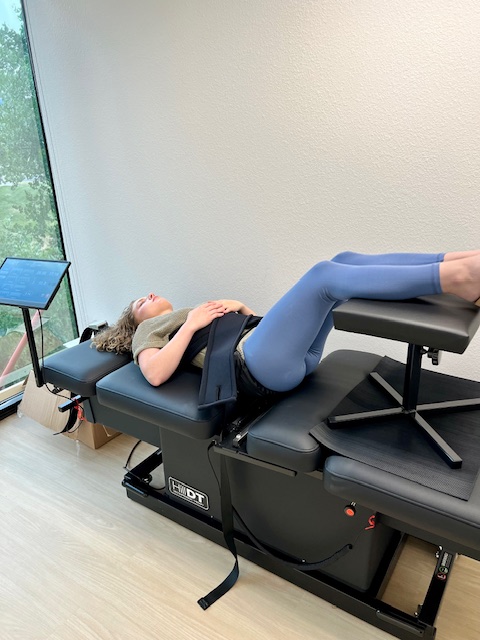
If You Can’t Stand Up Straight, You Most Likely Have a Disc Problem | Lumbar Disc Injury Treatment Boulder

Benefits of Massage Therapy for Runners
Experience the difference at Boulder Sports Clinic.
Contact us today to schedule an appointment and start your journey towards optimal health and peak performance. Still have questions? Call us now at (303) 444-5105
