
.svg)
Active Release Techniques for Plantar Fasciitis, Achilles Tendinopathy & Morton’s Neuroma
How Active Release Techniques Help Fix Plantar Fasciitis, Achilles Tendinopathy, and Morton’s Neuroma
Foot and ankle pain can quietly derail everything — walking, running, standing at work, or training. Conditions like plantar fasciitis, Achilles tendinopathy, and Morton’s neuroma often start small, then linger for months when the real cause isn’t addressed.
At Boulder Sports Clinic, we use Active Release Techniques (ART) as part of a comprehensive treatment plan to treat the soft-tissue restrictions that drive these conditions — while pairing it with chiropractic care, physical therapy, and advanced therapies like shockwave, dry needling, and laser therapy to create lasting results.
This article explains:
- What these common foot and ankle conditions feel like
- Why they don’t always heal on their own
- How Active Release Techniques work
- What to expect during treatment
- Why combining therapies leads to better outcomes
Quick Answer: Can Active Release Techniques Fix Foot and Ankle Pain?
Yes — Active Release Techniques (ART) can be highly effective for treating plantar fasciitis, Achilles tendinopathy, and Morton’s neuroma, especially when these conditions are driven by tight, restricted soft tissue. ART works by breaking up adhesions, restoring normal tissue movement, and reducing tension on irritated tendons and nerves. When combined with chiropractic care, physical therapy, and advanced treatments like shockwave therapy, dry needling, and laser therapy, ART often leads to faster relief and more lasting results than treating symptoms alone.
What Is Active Release Techniques (ART)?
Active Release Techniques is a hands-on soft tissue treatment that targets tight, restricted muscles, tendons, ligaments, and nerves.
ART works by:
- Identifying restricted or scarred tissue
- Applying precise pressure
- Actively moving the tissue through its range of motion
This approach helps:
- Break up adhesions and scar tissue
- Improve blood flow and tissue glide
- Reduce nerve irritation
- Restore normal movement patterns
For foot and ankle injuries, ART is especially effective because many symptoms are driven by overloaded or poorly moving soft tissue, not just inflammation.
Plantar Fasciitis: What It Feels Like and How ART Helps


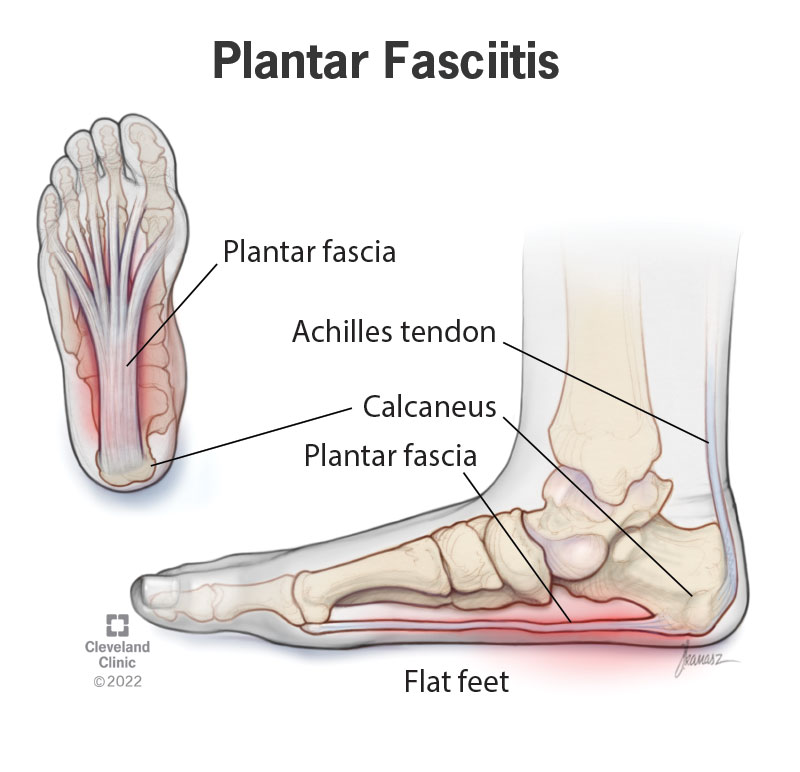
What plantar fasciitis feels like
Plantar fasciitis typically causes:
- Sharp or stabbing pain at the heel or arch
- Pain with the first steps in the morning
- Pain after long periods of standing or walking
- Tightness through the bottom of the foot or calf
Despite the name, plantar fasciitis often involves degeneration and stiffness, not just inflammation.
How ART helps plantar fasciitis
ART targets:
- The plantar fascia
- Calf muscles (gastrocnemius and soleus)
- Small stabilizing muscles of the foot
- Achilles tendon and ankle soft tissue
By restoring tissue mobility and reducing excessive tension, ART helps decrease strain on the plantar fascia and allows healing to occur.
Achilles Tendinopathy: What It Feels Like and How ART Helps


What Achilles tendinopathy feels like
Achilles tendinopathy often presents as:
- Stiffness or pain just above the heel
- Pain that warms up with activity but returns later
- Tenderness or thickening along the tendon
- Pain with running, jumping, or uphill walking
This condition is usually caused by repetitive overload combined with poor tissue recovery.
How ART helps Achilles pain
ART is used to:
- Improve mobility of the Achilles tendon
- Release tight calf muscles that overload the tendon
- Restore proper ankle mechanics
This reduces strain during walking and running and allows the tendon to remodel more effectively.
Morton’s Neuroma: What It Feels Like and How ART Helps


What Morton’s neuroma feels like
Morton’s neuroma commonly causes:
- Burning, tingling, or numbness in the ball of the foot
- Pain between the third and fourth toes
- A sensation of “walking on a pebble”
- Symptoms worsened by tight shoes
This condition involves irritation or compression of a nerve, often due to surrounding soft-tissue restrictions.
How ART helps Morton’s neuroma
ART focuses on:
- Releasing tight intrinsic foot muscles
- Improving mobility between the metatarsals
- Reducing tension around the irritated nerve
When soft tissues move better, nerve pressure decreases and symptoms often calm significantly.
What to Expect During ART Treatment
ART sessions are:
- Hands-on and specific
- Performed while you actively move the foot or ankle
- Sometimes uncomfortable, but very tolerable
Many patients notice:
- Immediate improvement in mobility
- Reduced pain with walking or standing
- Progressive improvement over several sessions
ART works best when used strategically, not randomly — based on a thorough exam.
Why ART Works Best as Part of a Complete Treatment Plan
Foot and ankle pain rarely comes from one problem alone. That’s why we integrate ART into a multidisciplinary approach.
Chiropractic Care
Chiropractic treatment helps:
- Restore mobility to the ankle, foot, knee, and spine
- Improve alignment and weight distribution
- Reduce mechanical stress on injured tissue
Physical Therapy
Physical therapy focuses on:
- Strengthening the foot, ankle, and calf
- Improving balance and control
- Correcting gait and running mechanics
- Preventing recurrence
Advanced Therapies
Depending on the condition, we may also use:
- Shockwave therapy to stimulate tendon healing
- Dry needling to reduce muscle tension
- Laser therapy to improve circulation and tissue repair
Each therapy addresses a different piece of the puzzle — allowing faster and more complete recovery.
How Long Does Recovery Take?
Recovery timelines vary, but many patients experience:
- Early symptom relief within a few visits
- Continued improvement over 4–8 weeks
- Long-term relief when strength and mechanics are corrected
Chronic cases may take longer, but addressing the root cause makes a meaningful difference.
Is ART Right for Your Foot or Ankle Pain?
ART may be especially helpful if you:
- Have stubborn foot or heel pain
- Feel stiffness or tightness in the calf or arch
- Have nerve-related foot symptoms
- Want to avoid injections or surgery
If another approach would work better, we’ll guide you there.
Ready to Get Back on Your Feet?
If foot or ankle pain is limiting your activity, training, or daily life, you don’t have to wait it out.
Schedule an evaluation at Boulder Sports Clinic to see whether Active Release Techniques — combined with chiropractic care, physical therapy, and advanced therapies — can help resolve your plantar fasciitis, Achilles tendinopathy, or Morton’s neuroma.
FAQ: Active Release Techniques for Foot and Ankle Pain
Does Active Release Techniques help plantar fasciitis?
Yes. ART helps plantar fasciitis by releasing tight soft tissue in the plantar fascia, calf muscles, and foot stabilizers. This reduces strain on the heel and arch and allows the tissue to heal more effectively.
Can ART treat Achilles tendinopathy?
ART is commonly used to treat Achilles tendinopathy by improving tendon mobility, reducing calf muscle tension, and restoring proper ankle mechanics. It works best when combined with strengthening and load management through physical therapy.
Does Active Release Techniques help Morton’s neuroma?
ART can be very effective for Morton’s neuroma by reducing soft-tissue tension around the irritated nerve in the forefoot. Improving tissue mobility often decreases nerve compression and reduces burning or tingling symptoms.
Is Active Release Techniques painful?
ART can be uncomfortable at times, especially in tight or sensitive areas, but it is generally well tolerated. Most patients describe it as a “good hurt” that leads to improved movement and reduced pain afterward.
How many ART sessions do I need?
Some patients feel improvement within a few sessions, while chronic or long-standing conditions may require several weeks of care. Treatment length depends on severity, activity level, and how well contributing factors are addressed.
Should ART be combined with other treatments?
Yes. ART works best when combined with chiropractic care, physical therapy, and advanced therapies like shockwave therapy, dry needling, or laser therapy. This approach addresses soft tissue, joint mechanics, strength, and tissue healing together.
Can ART help prevent these injuries from coming back?
When combined with strengthening, mobility work, and gait or movement correction, ART can play an important role in preventing recurrence of foot and ankle injuries.
Related Posts

What is Cupping Therapy and How Does it Work?

How to Test for Tight Hip Flexors – And How Boulder Sports Clinic Can Help
Is CrossFit Dangerous? What I Learned Starting CrossFit as a Healthcare Provider
Experience the difference at Boulder Sports Clinic.
Contact us today to schedule an appointment and start your journey towards optimal health and peak performance. Still have questions? Call us now at (303) 444-5105
