
.svg)
5 Hikes You Can Do in Boulder, CO with Knee Pain
5 Hikes to Do in Boulder, CO with Knee Pain
Boulder, Colorado is a paradise for outdoor enthusiasts—but if you’re living with knee pain, you might hesitate to hit the trails. The good news? With the right preparation and route selection, you can still enjoy Boulder’s stunning scenery while protecting your knees.
Below are five hikes in Boulder that are generally easier on the knees, plus tips to help you get the most out of your time on the trail.
1. Boulder Creek Path
- Distance: Up to 7.6 miles out-and-back (choose your length)
- Why it’s knee-friendly: Flat, paved, and scenic, the Boulder Creek Path winds through town alongside Boulder Creek. It’s a great choice for a low-impact walk with beautiful mountain views.
2. Wonderland Lake Loop
- Distance: 1.5 miles
- Why it’s knee-friendly: This short, mostly flat loop offers wide paths and gentle grades. Perfect for a quick stroll without much strain, it also has benches along the way if you need a rest.
3. South Boulder Creek Trail
- Distance: 4 miles (varies by trail section)
- Why it’s knee-friendly: The trail has a combination of gravel and dirt paths with minimal elevation. The gentle terrain makes it a good option for those with knee sensitivity.
4. Coot Lake Trail
- Distance: 1.2 miles
- Why it’s knee-friendly: A flat dirt trail circling the lake, Coot Lake offers beautiful views with little to no elevation change. A great option for an easy outing.
5. Sawhill Ponds Trail
- Distance: 2 miles
- Why it’s knee-friendly: With smooth trails winding around several ponds, Sawhill Ponds is a peaceful, easy walk for anyone with joint pain.
Warm-Up & Stretching Before Your Hike
Even with easier hikes, preparing your knees before activity can make a big difference. Try these simple warm-ups before hitting the trail:
- Quad Stretch: Stand and gently pull your ankle toward your glutes to loosen the front of the thigh.
- Hamstring Stretch: Sit on a bench and extend one leg, reaching toward your toes.
- Calf Stretch: Place your hands against a tree or wall, step one foot back, and press the heel into the ground.
- Leg kick backs: Stand on one leg and bring the other leg behind you at a 45 degree angle while squeezing your glute.
Taking a few minutes to stretch and warm up can help reduce strain and protect your knees while hiking.
When to Get Help for Knee Pain
If you’re noticing consistent pain, stiffness, or swelling in your knees—even during easy hikes—it’s a sign that something deeper may be going on. At Boulder Sports Clinic, our expert team specializes in treating knee pain with:
- Shockwave therapy high powered sound waves help to break up tightness for stubborn soft tissue issues
- Physical therapy to correct movement patterns and restore strength
- Massage therapy and Active Release Technique to relieve tight muscles
- Run gait analysis to address underlying biomechanical issues with walking or running
With the right care, you can enjoy Boulder’s incredible outdoors without letting knee pain hold you back.
Don’t Let Knee Pain Keep You Indoors
You don’t have to give up hiking because of sore knees. With smart trail choices, a proper warm-up, and the right treatment plan, you can stay active and pain-free.
👉 If knee pain is limiting your adventures, schedule an appointment at Boulder Sports Clinic today and let us help you get back on the trails.
Related Posts
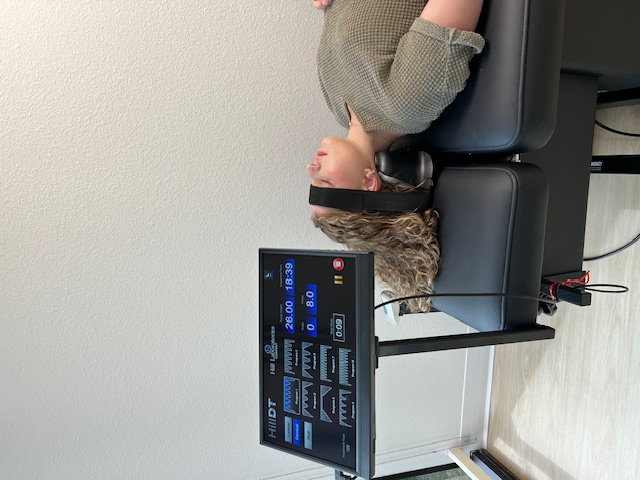
Find Relief from Neck Pain with Non-Surgical Spinal Decompression Near Me
Top Boulder Climbing Spots and How to Avoid Shoulder or Elbow Injuries
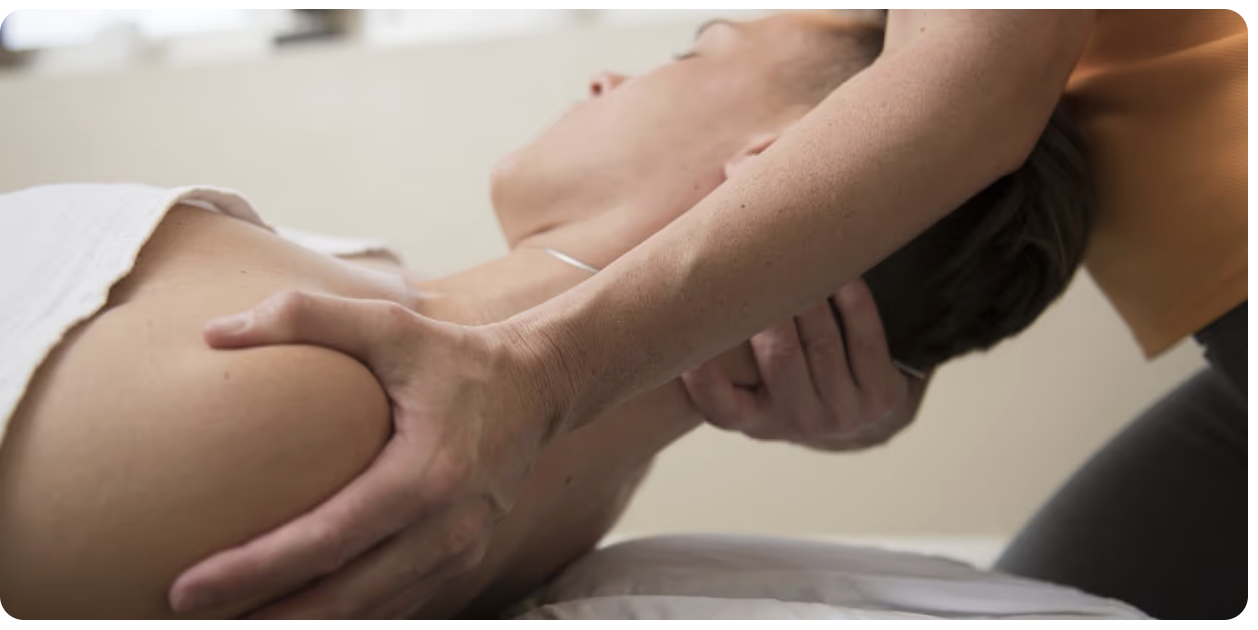
Best Rated Chiropractor Near Me – Boulder, CO
Experience the difference at Boulder Sports Clinic.
Contact us today to schedule an appointment and start your journey towards optimal health and peak performance. Still have questions? Call us now at (303) 444-5105
